For Commercial & Industrial Hire


Agriculture HVAC, Refrigeration
and Power Hire Solutions
Reliable temporary solutions to keep agricultural operations running during breakdowns, upgrades and peak demand periods.
Harvest doesn’t wait. Neither does the damage when a cooling system goes down mid-season
When temperatures aren’t controlled, spoilage moves fast. A failed chiller during harvest, a refrigeration unit that trips overnight, a power outage on a remote site — each of those scenarios has a cost that compounds by the hour. Produce quality drops. Storage conditions slip. Processing lines stop. The revenue impact follows quickly behind.
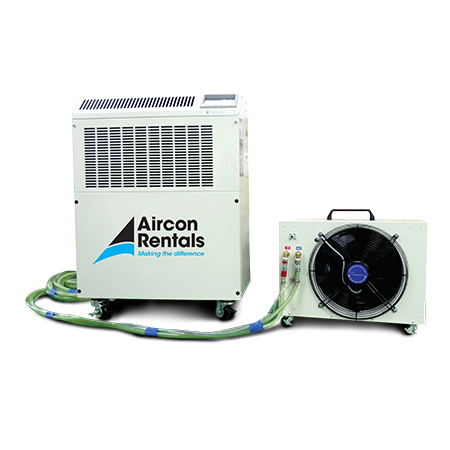
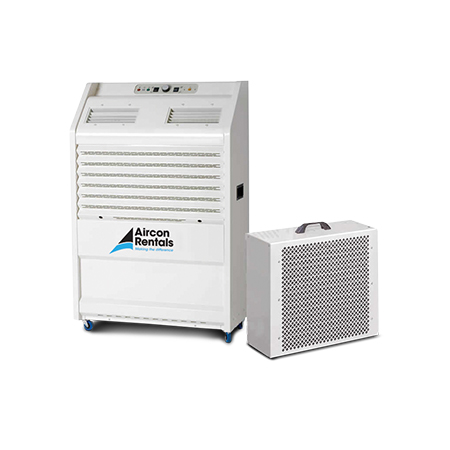
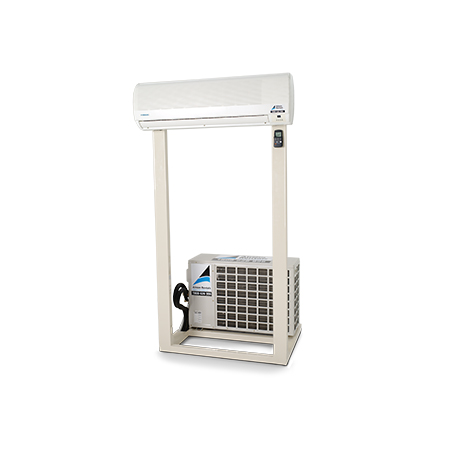
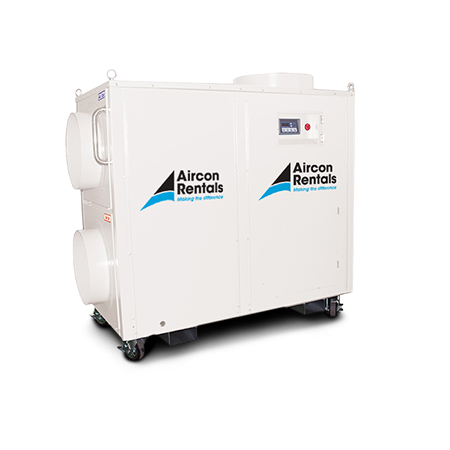
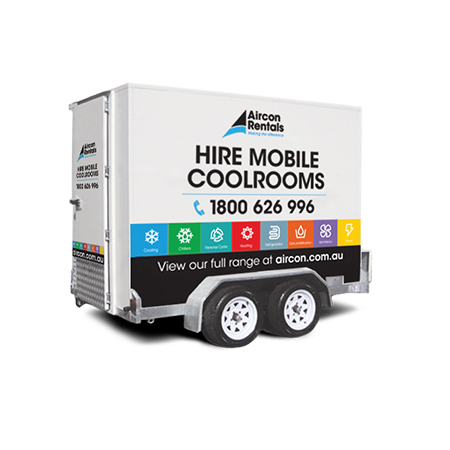
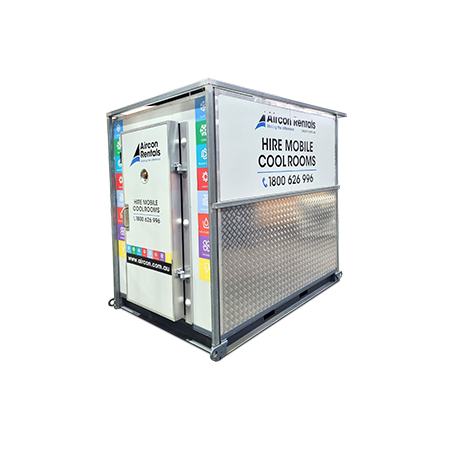
The fleet covers what farms and processing facilities actually need to hire: portable air conditioner hire, temporary chiller rental, farm cool room hire, refrigerated container hire, evaporative cooling hire, ventilation hire and generator hire sized for remote site demands. Equipment goes to farms, greenhouses, grain storage sites, cold storage operations, and processing facilities across the country.
The application doesn’t change the approach. Protecting a season’s harvest, holding cold storage temperatures through a planned shutdown, keeping a processing line running during maintenance — the same principle applies every time. Right equipment, on-site fast, built to perform in the conditions that agricultural environments actually throw at them.
How we support agricultural operations with temporary HVAC, refrigeration and power

Grain Storage and Preservation
Internal grain temperatures above 28°C accelerate mould growth and moisture migration through the stack. Fumigation becomes harder to control. Quality grades drop. When permanent aeration systems fail in a grain shed during peak storage periods, or existing capacity is pushed beyond its design limits, temporary grain storage cooling systems can be connected directly into existing silo aeration infrastructure to maintain temperatures within the critical 15–20°C range. Dehumidifier hire can also be integrated for humidity control where condensation risk is present.

Greenhouses and controlled growing environments
A greenhouse running 8°C above set point for six hours loses more than comfort. Seedling propagation fails. Fruit set drops off. Temporary greenhouse cooling hire and ventilation units connect directly to existing greenhouse circulation systems, holding the shed at the required set point — typically between 18–26°C depending on the crop. Dehumidifier hire runs in parallel where humidity control is critical to propagation or fruit quality. Outside at 40°C, the permanent system is already saturated — hire units carry the remaining load.

Harvesting and post-harvest processing
Packing sheds and processing facilities hitting 95% electrical capacity during harvest have no spare circuit capacity for additional refrigeration. Harvest refrigeration rental gives processing facilities the additional capacity they need — temporary generator hire powers farm cool room hire, refrigerated containers, or chiller hire for high-volume operations, running completely independent of the site board. Temporary cold storage hire covers produce that exceeds permanent cold storage capacity during peak harvest weeks. Equipment supplied to processing and packing facilities meets food-grade requirements, with clean units and documentation available where HACCP compliance is required.

Livestock facilities
Internal grain temperatures above 28°C accelerate mould growth and moisture migration through the stack. Fumigation becomes harder to control. Quality grades drop. When permanent aeration systems fail in a grain shed during peak storage periods, or existing capacity is pushed beyond its design limits, temporary grain storage cooling systems can be connected directly into existing silo aeration infrastructure to maintain temperatures within the critical 15–20°C range. Dehumidifier hire can also be integrated for humidity control where condensation risk is present.

Off-Grid power for remote agricultural sites
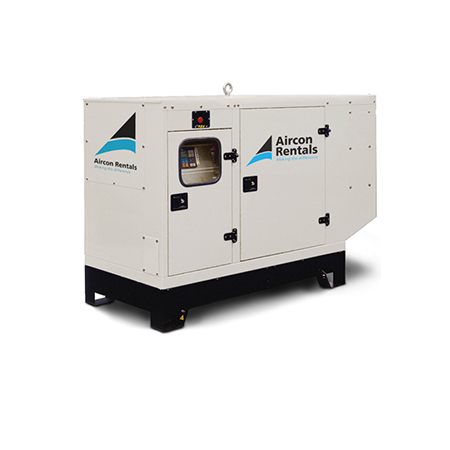
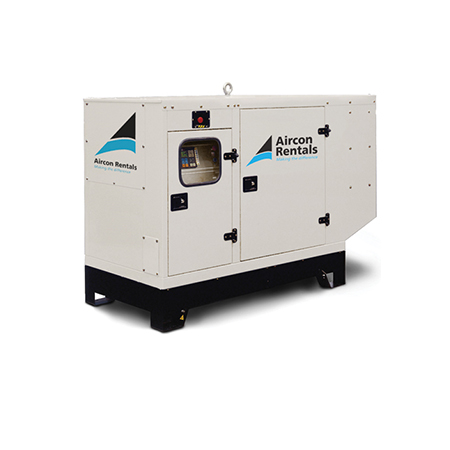
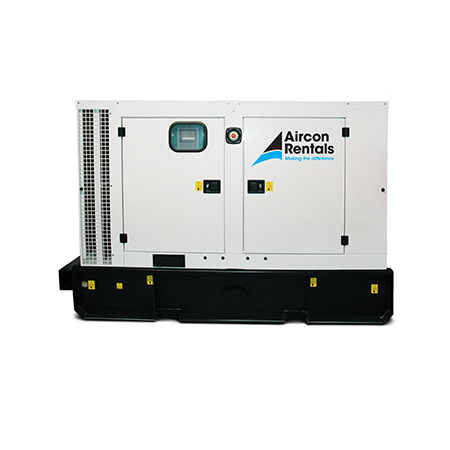
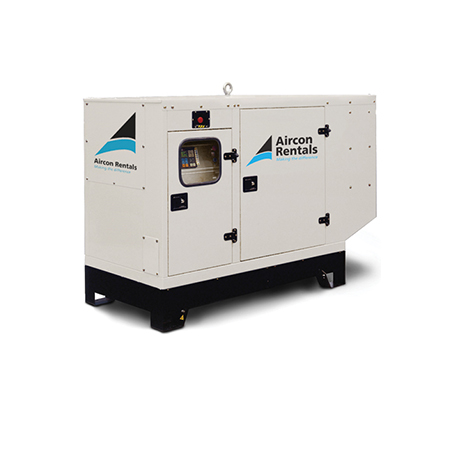
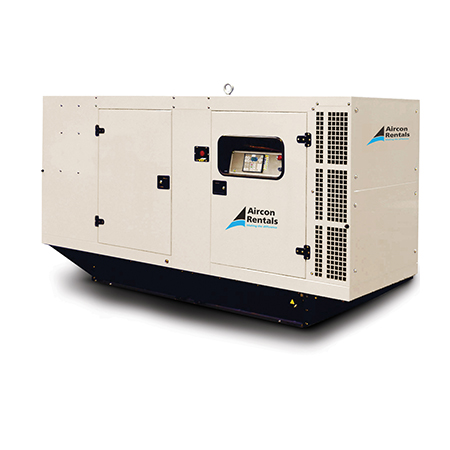
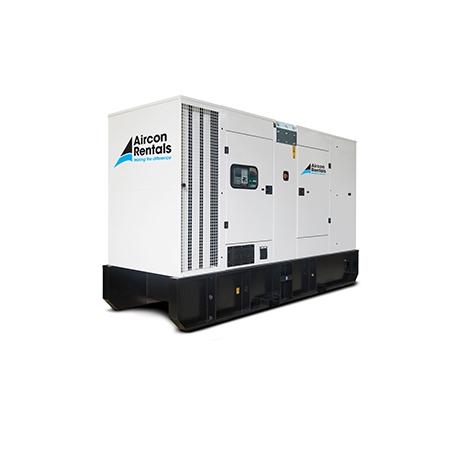
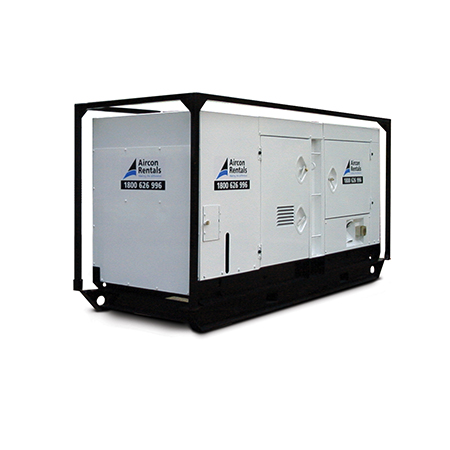
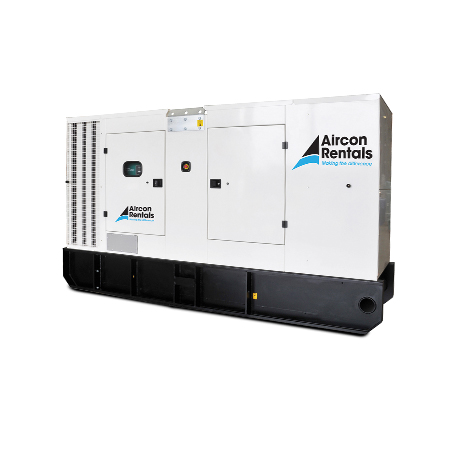
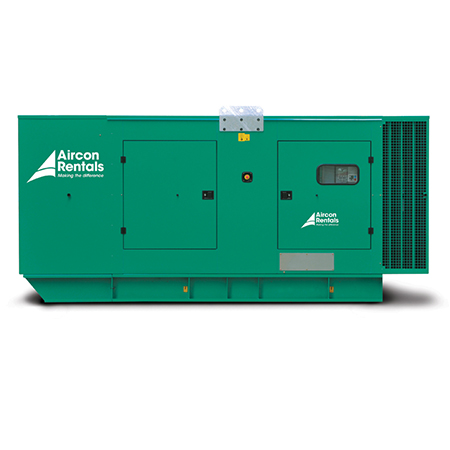
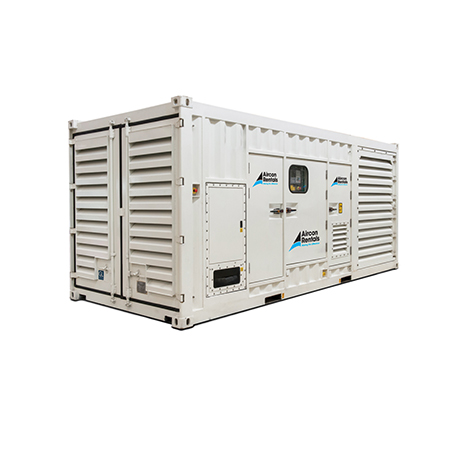
The grid ends at the paddock boundary. Past that point, irrigation pumps, cool rooms, and post-harvest processing equipment all need power from somewhere else. Off-grid power hire for remote agricultural sites starts with getting the sizing right. Whether it’s running irrigation systems, keeping remote cool rooms at temperature, or driving processing equipment through harvest — an undersized generator trips on startup, and the nearest depot is hours away. Remote site generator hire is sized to the site’s real electrical load, not a rough guess. Extended remote deployments get fuel tank hire packaged alongside the generator — removing the need to coordinate separate fuel deliveries to sites that are already difficult to reach.
Temporary HVAC, refrigeration and power equipment for agriculture
The right hire equipment depends on what the operation actually requires and the scale of the load.
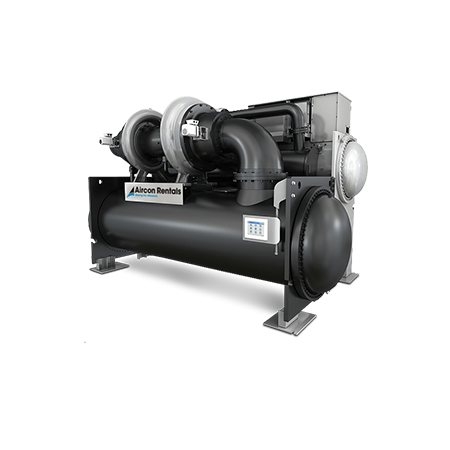
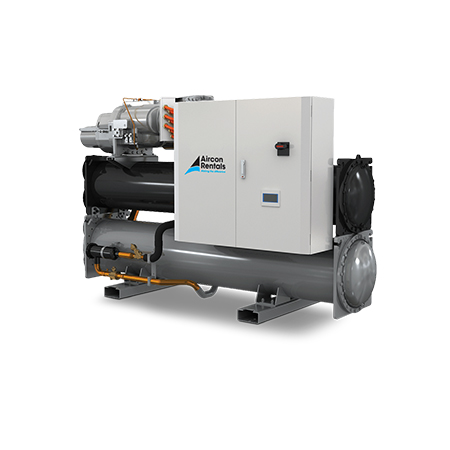
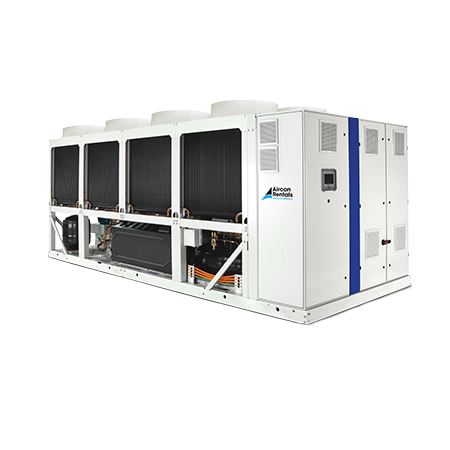
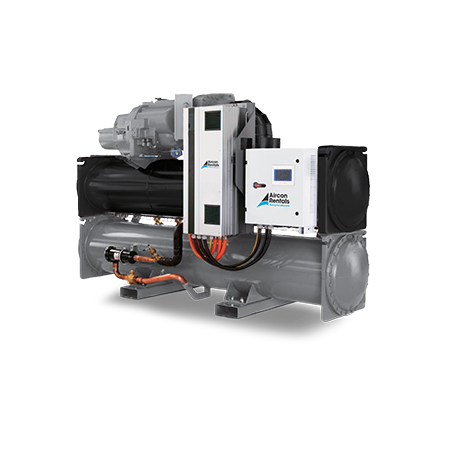
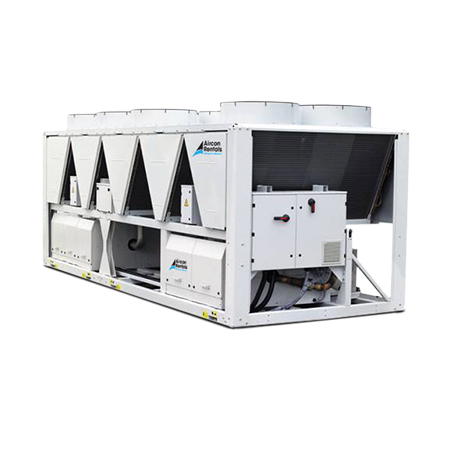
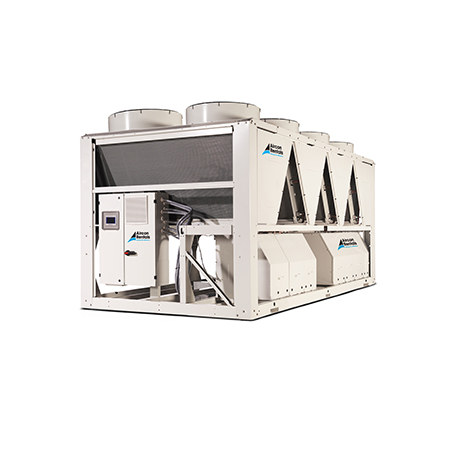
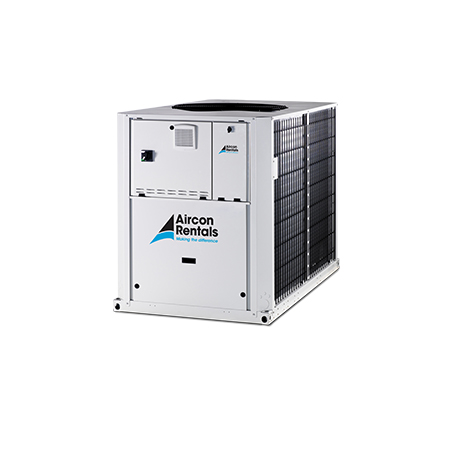
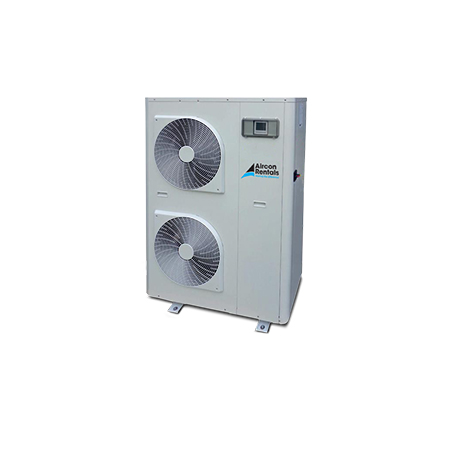
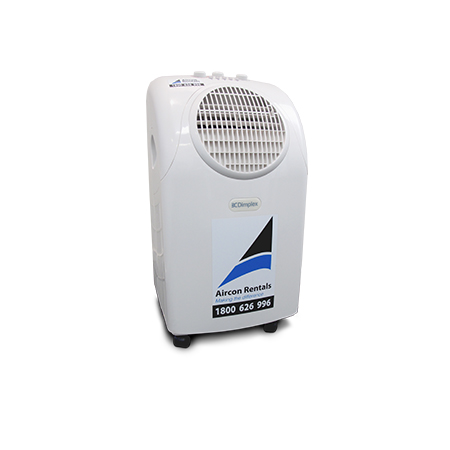
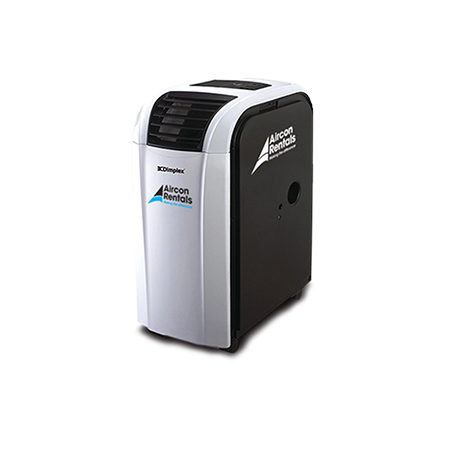
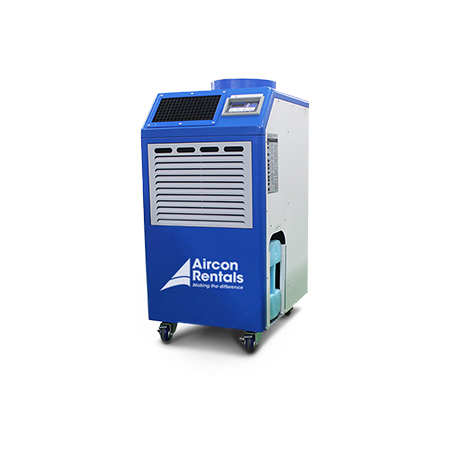
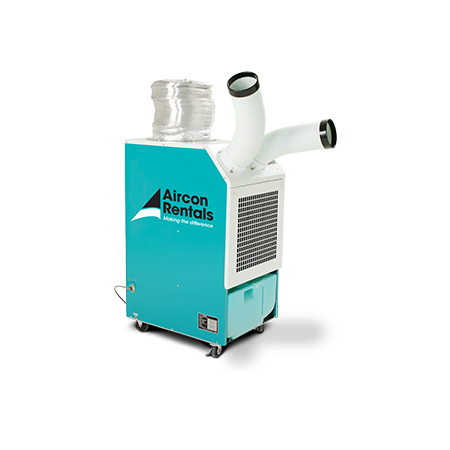
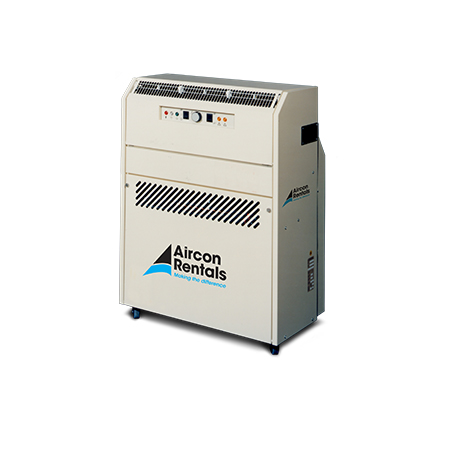
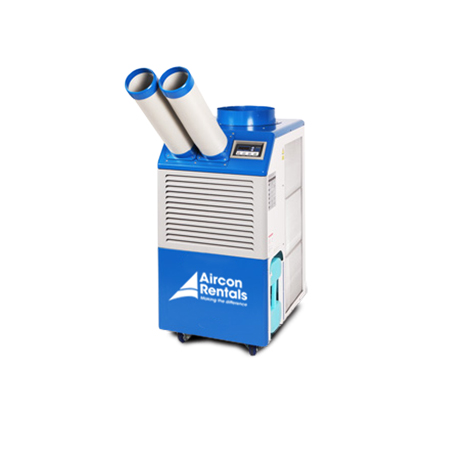
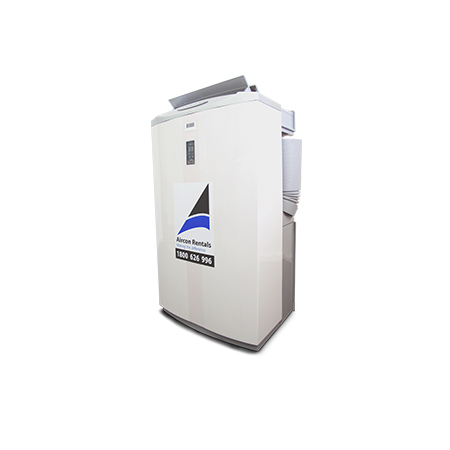
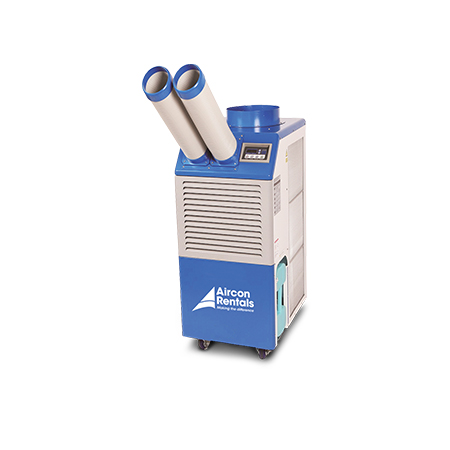
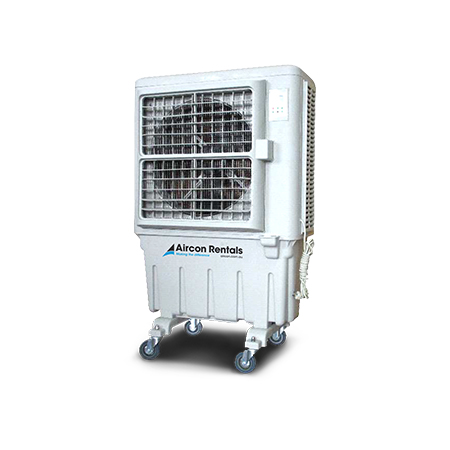
Large-scale processing and cold storage facilities run on chillers. Portable air conditioners and evaporative cooling hire cover localised areas — open sheds, livestock facilities, and greenhouse sections where a full chiller system would be oversized.
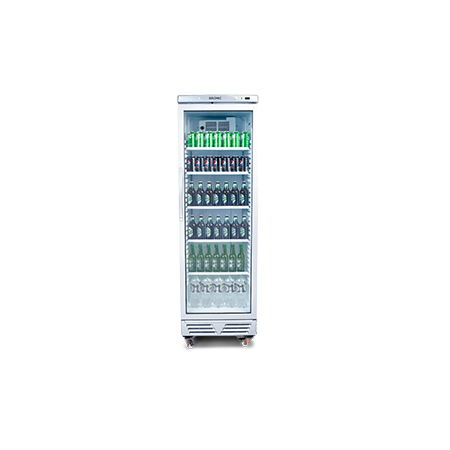
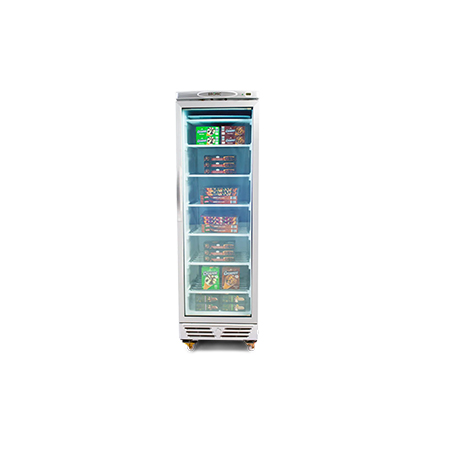
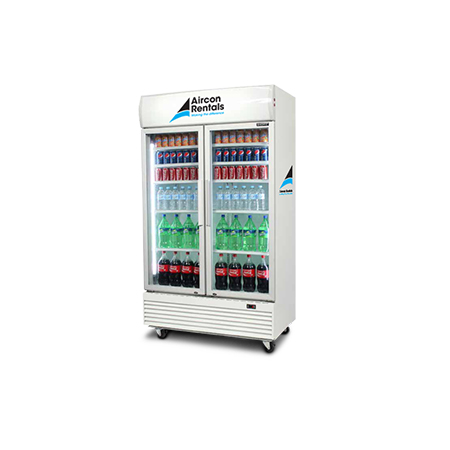
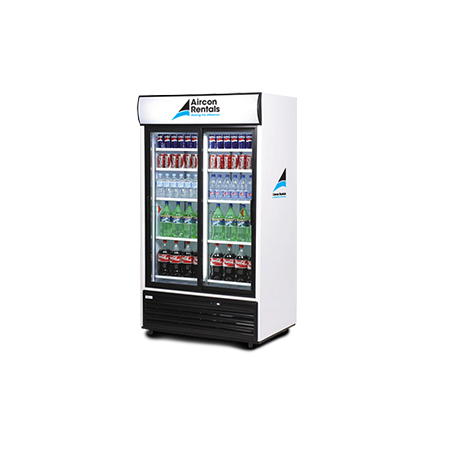
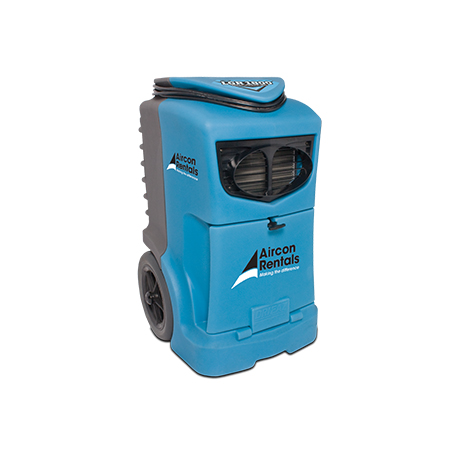
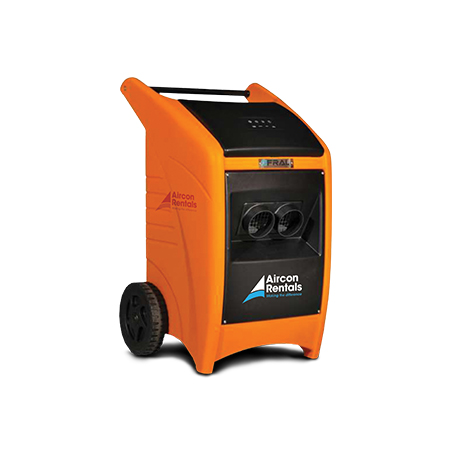
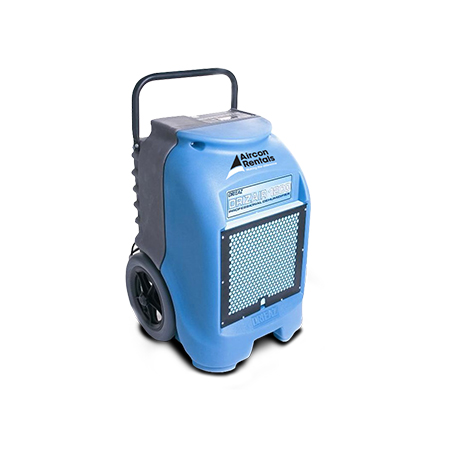
Refrigerated containers and cool rooms handle temporary cold storage when fixed infrastructure runs out of capacity or isn’t available on site. Dehumidifier hire runs alongside cooling in grain storage and cool rooms where moisture accumulation is the problem, not just temperature. For remote sites or facilities hitting their electrical capacity during peak periods, generator hire and fuel tank hire supply the power those operations depend on. Ventilation hire and heater hire round out the fleet for open shed applications and cold weather requirements.


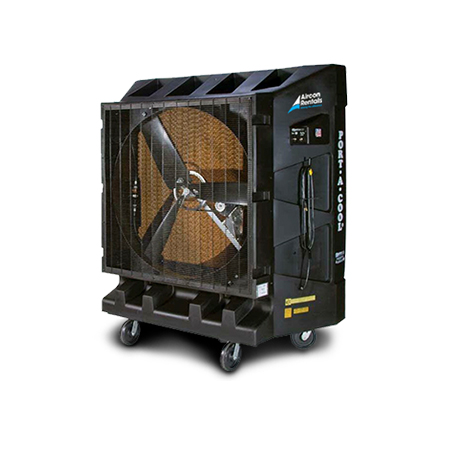

Aircon Rentals Equipment, Delivery and Support for Agriculture HVAC, Refrigeration and Power Hire?

Nation-wide
Fast deployment across rural and regional Australia, 24/7 — short-term emergency response through to long-term seasonal hire

Massive Fleet
9,000+ units available for hire, dispatched from depots in Sydney, Melbourne, Brisbane and Perth

Safe & Efficient
Equipment pre-tested at depot before dispatch — reducing commissioning time when the clock is already running

Expert Team
Technical team covers equipment selection, load requirements, airflow, power distribution and operational continuity
Aircon Rentals works directly with agricultural operators to get the right equipment on site fast. During harvest, a breakdown doesn’t wait for business hours. Neither do we.
Our technical team includes refrigeration engineers and HVAC specialists with direct experience in agricultural deployments across grain, horticulture, and livestock operations.
Need Reliable Temporary Cooling, Heating, Refrigeration or Power for Your Agricultural Operation – fast?
With more than 9,000 products available for hire, we’ll help you find the right rental solution to protect crops, maintain storage conditions, and keep operations running—no matter the season, site, or timeline. Backed by 24/7 nationwide service, our equipment is ready for rapid deployment when it matters most.
Talk to our team today and keep your operation moving.
Agriculture HVAC, refrigeration and power hire solutions case studies
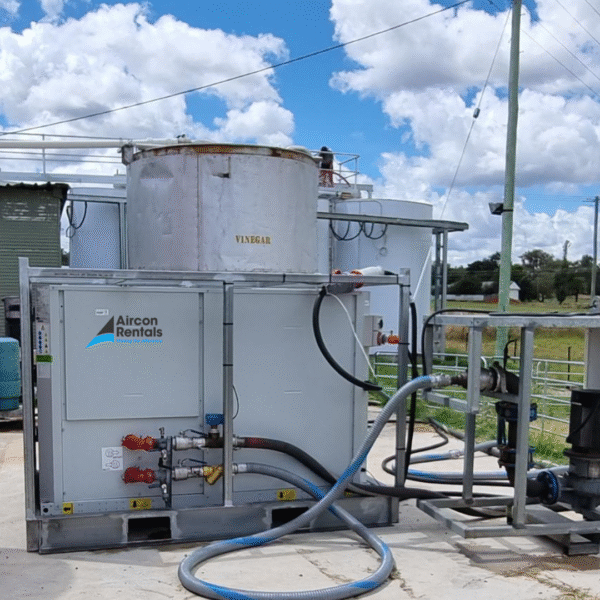
[Case Study] Emergency Chiller Hire Winery: How We Kept Crush Season on Track When the Chiller Failed
[Case Study] Emergency Chiller Hire Winery: How We Kept Crush Season on Track When the Chiller Failed
Read More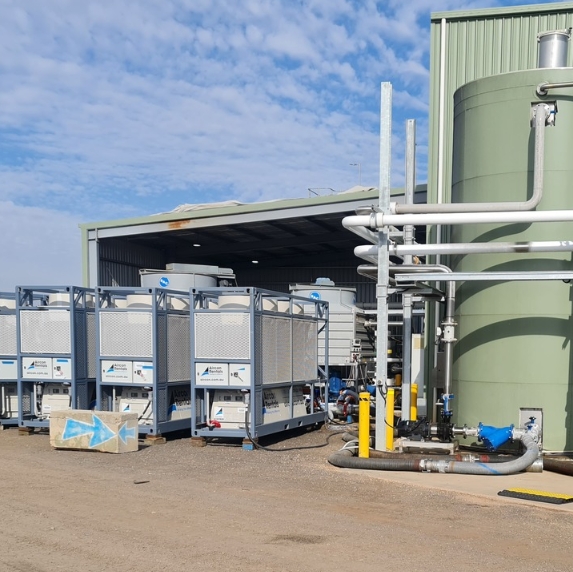
[Case Study] Additional Cooling Capacity for Winery Crush Season
[Case Study] Additional Cooling Capacity for Winery Crush Season
Read MoreFrequently Asked Questions
1. What types of agricultural operations benefit from temporary HVAC and refrigeration hire?
Vintage at a Riverina winery runs hot. A grain shed in the Riverland losing aeration mid-summer can’t wait three days for a parts order. Food processing plants and packing sheds face the same pressure at different times of year.
HVAC, Regeneration and Power don’t stop being needed just because the permanent system is offline for maintenance.
2. When should I consider hiring temporary cooling or refrigeration equipment for agriculture?
Harvest periods are the most common trigger — harvest refrigeration rental covers the six to eight week window where permanent capacity runs short without committing to equipment that sits idle the rest of the year.
Processing facilities that run at full refrigeration capacity for six to eight weeks a year rarely justify purchasing additional permanent equipment for that window.
Temporary hire covers the load, then gets collected when the season ends. The same applies when a chiller or cool room goes down unexpectedly. Waiting on parts or a replacement unit isn’t an option when product is sitting in the shed.
3. Can temporary HVAC systems help prevent crop spoilage?
Stored grain held above 28°C for an extended period develops hot spots, moisture migration, and mould — in that order.
Dehumidification addresses the moisture side; cooling handles the temperature. A grain shed sitting at 32°C with rising humidity doesn’t need monitoring — it needs equipment running. Temporary cold storage hire can be on site and operational within 24 to 48 hours of a call, which is often the difference between salvageable stock and a write-off.
4. How quickly can rental equipment be delivered to agricultural sites?
Metro and regional centres generally get equipment on site within 24 hours of a confirmed order. Remote sites run longer — 48 to 72 hours is realistic depending on how far the location sits from the nearest depot.
What shortens that window is a first call that comes in with the details already sorted: equipment type, site address, available power, and connection requirements.
Each missing detail means a follow-up round before anything gets loaded on a truck. The phones run around the clock, every day of the year. A compressor failure at 11pm during vintage gets the same response as a Monday morning call.
5. What types of equipment are available for agricultural applications?
For agricultural operations we deploy chillers, evaporative coolers, dehumidifiers, cool rooms, refrigerated containers, and generators — sized to what the site actually requires.
High-volume cooling in processing and storage facilities runs on chillers. Open and semi-open sheds where ducted refrigeration isn’t practical get evaporative coolers. Dehumidifiers handle grain storage and cool rooms where moisture accumulation is the problem, not just temperature. Remote sites without grid access, or facilities that have maxed out their existing electrical supply, get generators sized to the actual load.
6. Do you provide solutions for remote or regional agricultural sites?
Depots in Sydney, Melbourne, Brisbane, and Perth handle dispatch. Road distance determines delivery time — sites well outside those centres should allow 48 to 72 hours.
Remote locations without grid access get generator hire packaged alongside the cooling or refrigeration equipment, sized to the actual electrical load rather than a rough estimate.
The support line runs 24/7 — a breakdown on a remote site at 2am gets the same service as a call from a metro facility during business hours.
7. Can I hire equipment for short-term or seasonal use?
Hire periods run from a single day through to several months.
A farm cool room hire needed for two weeks during vintage gets the same service as a facility running supplemental refrigeration across an entire summer season. Short-term emergency hire — when a compressor fails overnight or a heat event pushes existing equipment past capacity — runs on the same fleet as planned seasonal deployments.
The hire period extends if repairs take longer than expected or conditions change mid-season.
8. Do you take care of installation and setup on-site?
Our technicians handle delivery, installation, and commissioning on site.
The equipment arrives connected, tested, and running to the correct set points before handover — not dropped at the gate for someone else to figure out.
For complex deployments involving generators, chillers, and distribution equipment running together, the system gets pre-tested at the depot before dispatch where practical. That cuts commissioning time on site and reduces the chance of discovering a compatibility issue when the clock is already running.
For food processing and cold storage facilities, equipment is supplied clean and documentation is available to support HACCP and food safety compliance requirements.”
9. How do I choose the right HVAC or refrigeration hire solution for my farm or facility?
Start with what the site actually requires. A grain shed losing aeration on a 38°C day has different needs to a winery holding fermentation tanks at 14°C — same broad sector, completely different solution.
When you call, the Aircon Rentals team asks about storage volume, available power, existing infrastructure, and access before anything gets recommended. Those details determine whether a chiller, evaporative cooler, or portable refrigeration unit is the right fit.
Getting the sizing wrong in either direction creates problems — an undersized unit that can’t meet the load, or an oversized one that trips the available power supply on startup.