
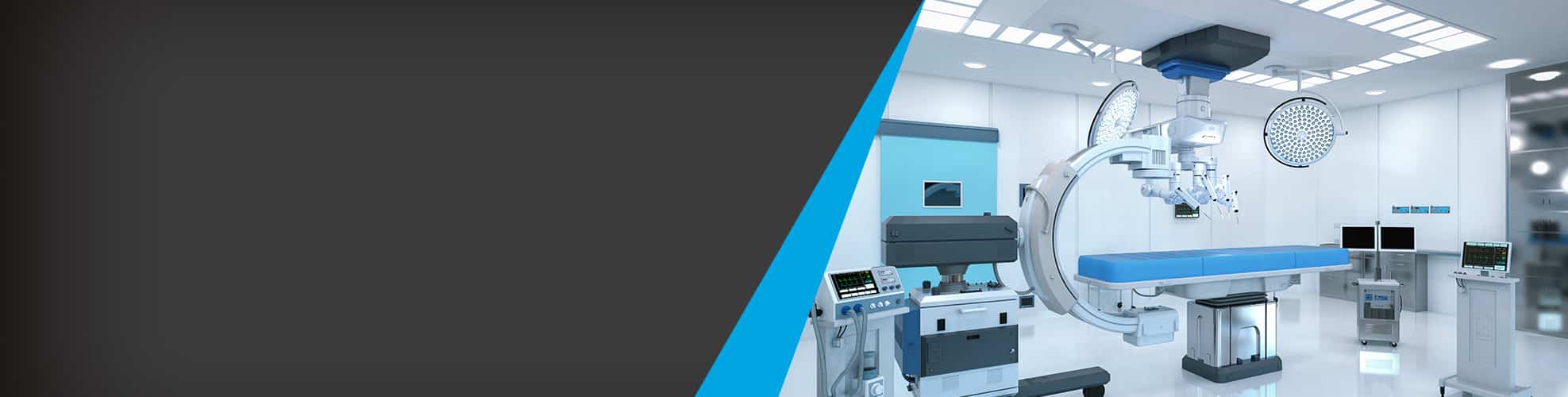
HVAC hire operating room deployments sit at the difficult end of what temporary equipment needs to do. An operating theatre isn’t just another zone in a hospital. Temperature, humidity, air pressure, and filtration all run to specific clinical parameters throughout a procedure, and the power keeping those systems alive has no room for interruption. When permanent plant fails or goes offline for maintenance, the hire solution stepping in has to meet the same standard. Not approximately. Exactly.
Sterile air is a clinical requirement
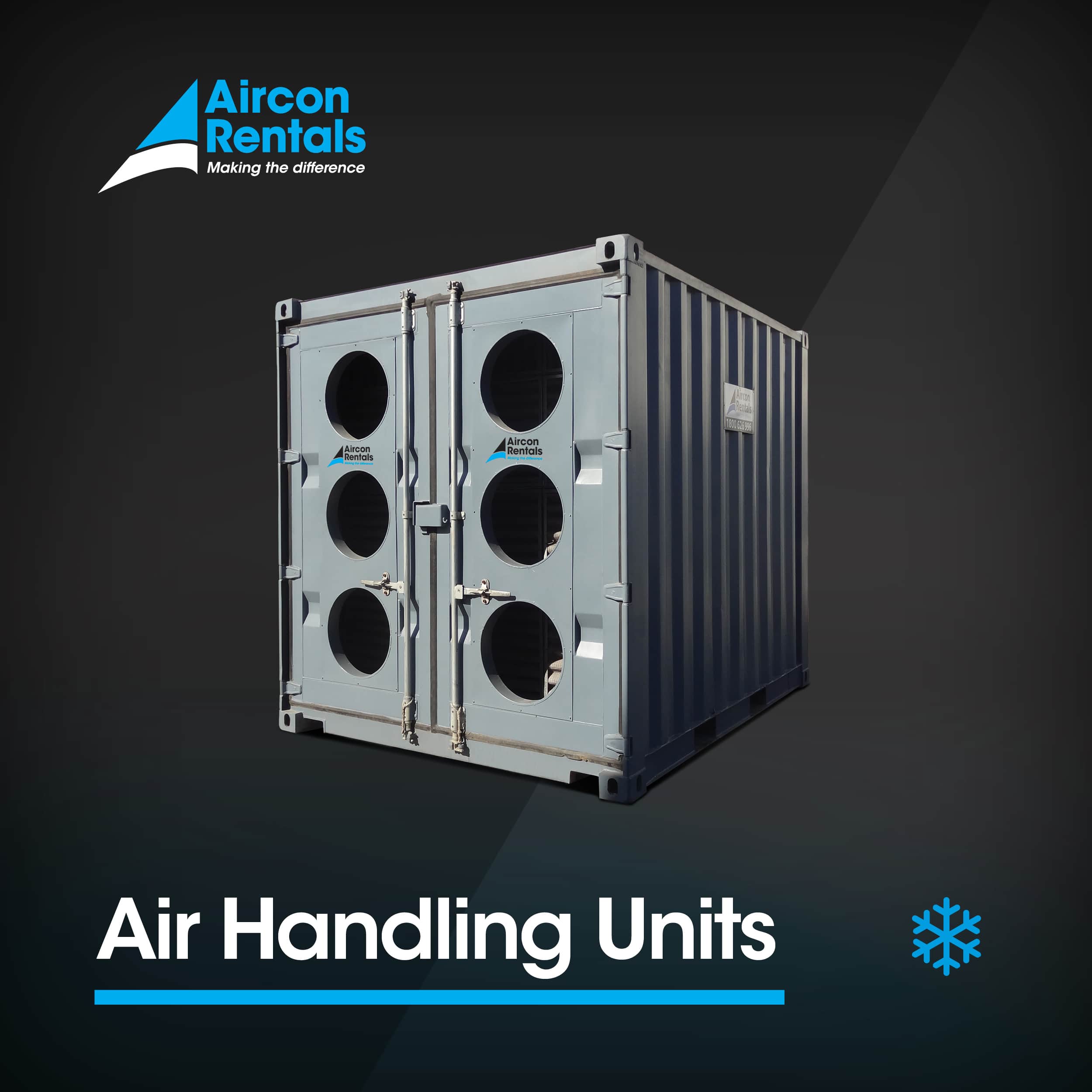
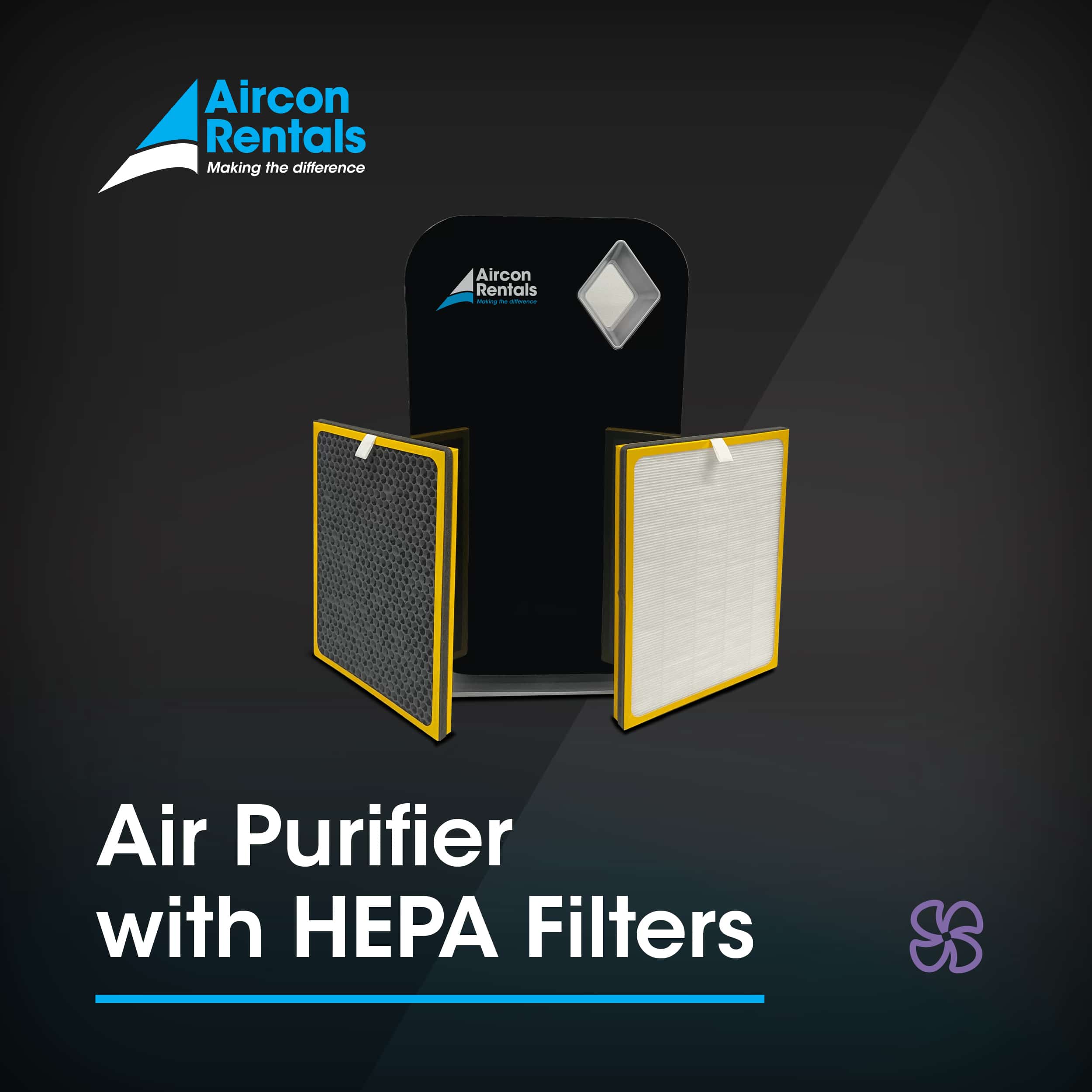
An operating theatre runs under positive air pressure. Unfiltered air stays out. The HVAC system supplies high-efficiency filtered air continuously, holding temperature and humidity within the ranges that inhibit bacterial growth and reduce surgical site infection risk. When air handling unit hire is deployed into a theatre environment — whether for a planned shutdown or an emergency — the filtration and pressure specifications don’t change just because the equipment is temporary. Getting this wrong in a standard commercial space is an inconvenience. Getting it wrong in a theatre is a patient safety issue.
Power supply in a theatre has no margin
Surgical lighting, anaesthesia equipment, monitoring systems, electrosurgical devices — all of it needs a steady, uninterrupted supply throughout a procedure. A power disruption mid-surgery creates immediate risk. Generator hire gives facilities undergoing planned maintenance a backup supply that runs independently of the hospital’s primary board. For unplanned failures, the response needs to be fast. That’s why having a documented contingency plan and a known emergency response contact in place before something goes wrong is the only approach that works.
Temperature and humidity are set to clinical parameters
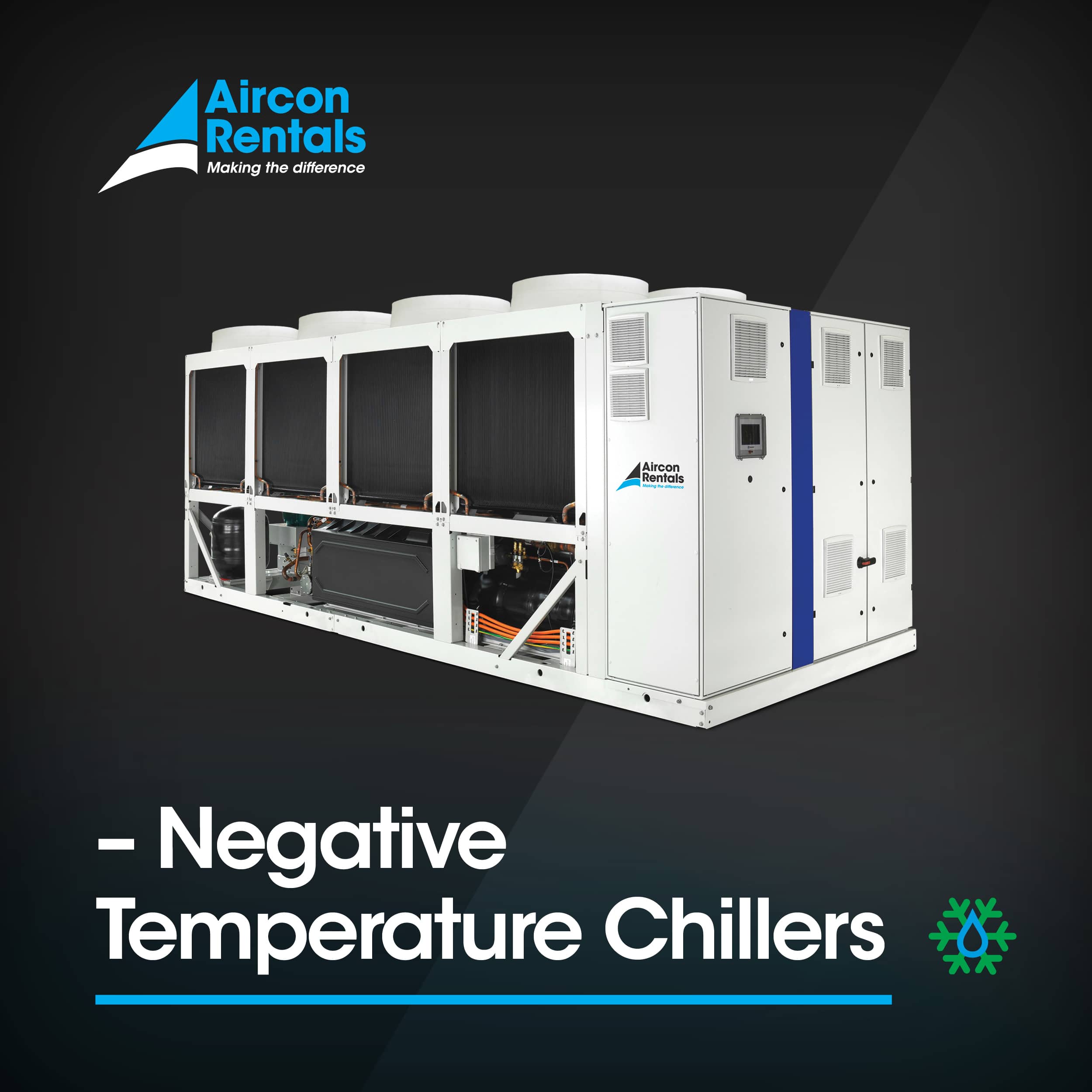
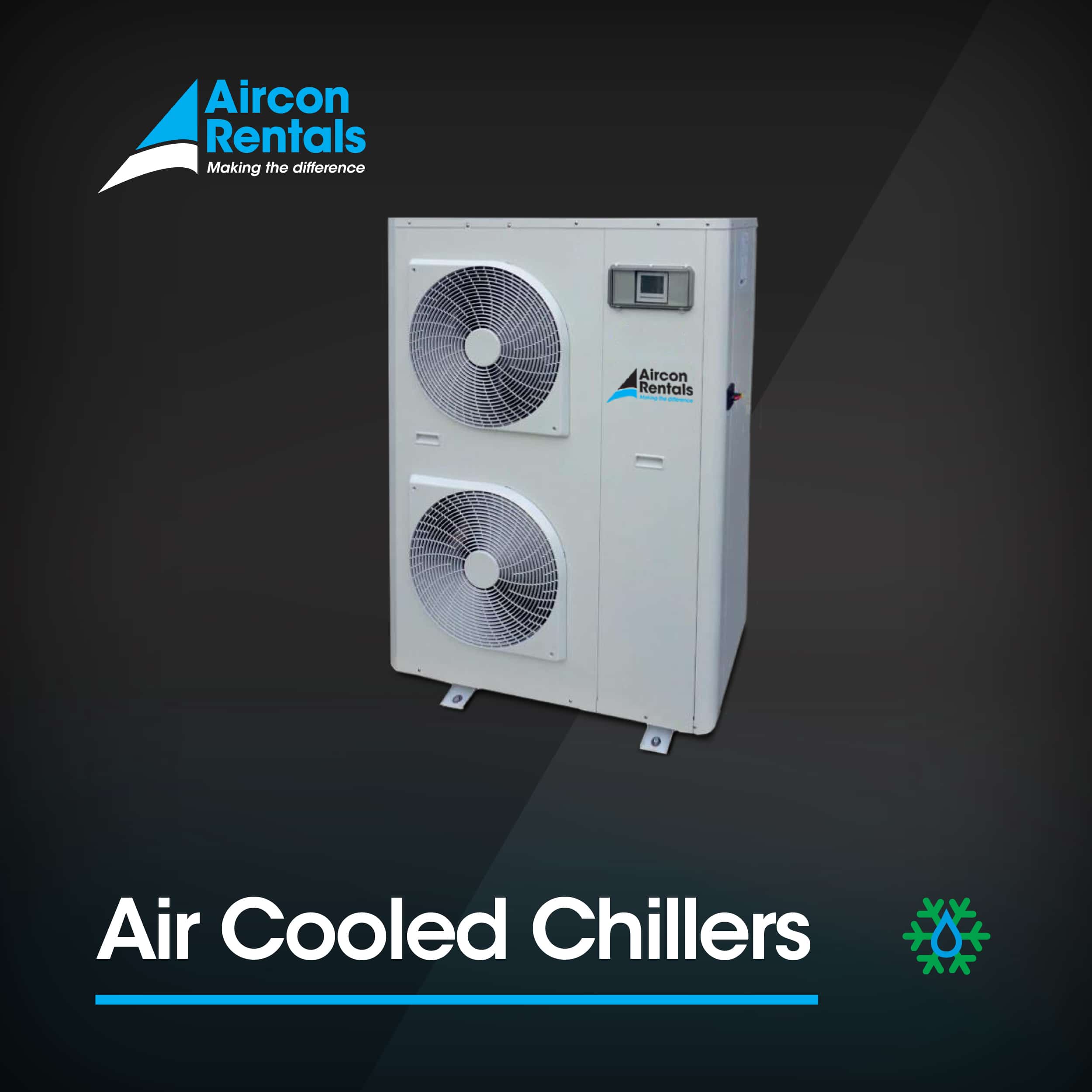
Theatre temperature sits between 18°C and 24°C depending on procedure type. Humidity is controlled to prevent static electricity risk and maintain patient comfort under anaesthesia. These aren’t approximate targets. Drift in either direction during a long procedure creates problems that accumulate. Any chiller hire or air handling solution deployed into theatre needs to hold those parameters consistently under load — not just at commissioning.
Surgical team performance depends on the environment too
Theatre HVAC doesn’t only protect the patient. Surgical procedures run for hours. A poorly controlled environment — too warm, too humid, inconsistent airflow — builds fatigue in the team over time. Concentration drops before anyone notices it has. A well-maintained HVAC system holds conditions that let the surgical team work at full capacity for the duration of a procedure, not just the first hour. When temporary HVAC hire replaces a failed or offline system, maintaining those conditions isn’t optional.
Humidity control supports patient recovery
The HVAC system’s role doesn’t end when the procedure does. Proper humidity control in clinical spaces prevents mould and bacterial growth — conditions that affect patients recovering in adjacent wards and recovery rooms connected to the same air handling infrastructure. Dehumidifier hire is sometimes required alongside primary cooling hire when a facility’s humidity levels fall outside safe parameters during a shutdown or emergency. Getting air quality right in the theatre feeds into recovery outcomes well beyond the operating table.
Compliance applies to hire equipment too
Australian healthcare facilities operate under infection control standards that cover every piece of equipment in a clinical space, permanent or temporary. Hire units need to arrive pre-tested, cleaned, and compliant before they connect to theatre infrastructure. This is particularly relevant during planned shutdowns, when a theatre goes offline for capital works and adjacent areas need supplemental capacity. Aircon Rentals delivered additional cooling capacity for new operating theatres at a Brisbane hospital — that project shows what compliant temporary HVAC integration into an active facility actually looks like in practice.
Planned works and emergency response need different lead times
Scheduled maintenance gives facilities time to plan the hire properly — site assessment, equipment selection, pre-testing at the depot, coordinated installation. Design and engineering solutions can be scoped weeks in advance, which cuts installation time and removes risk on the day. Emergency failures don’t offer that luxury. Aircon Rentals runs 24/7 emergency response for exactly this reason — a theatre HVAC failure at 11pm needs the same quality of response as a scheduled Monday morning callout.
How Aircon Rentals works with operating room environments
Aircon Rentals has supplied HVAC and power hire to healthcare facilities across Australia, covering both planned shutdowns and unplanned failures in clinical environments. The fleet includes air handling units, chillers, generators, and supporting equipment — all pre-tested before dispatch and available 24/7.
For facilities with MRI or medical imaging requirements alongside theatre needs, see our dedicated page on HVAC and power hire for MRI suites. For a broader view of healthcare HVAC hire requirements across a full facility, the HVAC hire healthcare guide covers the key considerations by zone.
Call 1800 626 996 or contact us online to discuss your operating room HVAC or power requirements. The team operates around the clock across Australia.