For Commercial & Industrial Hire


Temporary Cooling, Refrigeration & Power Hire for Meat & Poultry Processing
Temporary cooling for meat & poultry processing helps maintain critical refrigeration and temperature-control requirements across processing, boning, packing, carcass chilling and refrigerated storage. When permanent cooling capacity is reduced or production demand increases, Aircon Rentals provides engineered temporary cooling, refrigeration and power solutions to support critical operations.
Supporting Critical Loads When Refrigeration Capacity Is Reduced
Temporary cooling for a meat or poultry facility is not always a direct replacement for the permanent refrigeration plant.
The temporary requirement should be based on the processes, rooms and equipment that need to remain operational during a breakdown, planned maintenance or period of reduced cooling capacity.
Depending on the facility, critical loads may include processing and boning rooms, cutting and packing areas, carcass or primary chilling, chilled-water or secondary glycol circuits, air handling equipment, chilled and frozen storage, and other temperature-controlled production areas.
The temporary capacity required to maintain these loads may differ significantly from the facility’s total installed refrigeration capacity.
Aircon Rentals can assess the critical loads, existing cooling infrastructure, available connections, hydraulic requirements, electrical supply and site access before recommending a suitable temporary solution.
Temporary Chillers & Secondary Cooling Systems
Many meat and poultry processing facilities use central refrigeration plants to supply cooling through secondary chilled-water or glycol systems.
These secondary circuits distribute cooling throughout the facility while keeping the primary refrigerant separate from production areas.
Where permanent refrigeration capacity is unavailable or reduced, temporary chillers may be able to support selected cooling loads through the existing secondary system.
A temporary arrangement may include air-cooled chillers, temporary or booster pumps, chilled-water or glycol hoses, adapters and fittings, plate heat exchangers, electrical distribution, temporary generators, and supporting controls and equipment.
The existing system should be assessed for required operating temperatures, fluid type and condition, flow rates, system pressure, available connection points, pump arrangements and electrical requirements.
Where glycol is used in or near food-production areas, fluid compatibility and any applicable food-grade requirements should also be confirmed. Temporary hoses, fittings and connections may need to meet the site’s hygiene and operational requirements.
Direct Connection or Plate Heat Exchanger?
Direct connection may be possible where the temporary and existing cooling systems have compatible fluid conditions, operating pressures, temperatures and hydraulic requirements.
Where separation is required, a plate heat exchanger can be used to transfer cooling between the temporary equipment and the facility’s existing secondary cooling system.
This allows the temporary circuit, including chillers, pumps and hoses, to operate separately from the existing system.
The appropriate connection arrangement depends on the facility’s existing infrastructure and the critical cooling loads being supported.
Can a Temporary Chiller Replace an Ammonia Refrigeration Plant?
A temporary chiller cannot directly replace every function of an ammonia refrigeration plant. However, where the existing ammonia system supplies a secondary chilled-water or glycol circuit, temporary chillers may be able to support selected cooling loads connected to that circuit.
This can provide temporary cooling to processing areas, air handling equipment and other critical loads while the permanent refrigeration system is unavailable or operating at reduced capacity.
The suitability of a temporary solution depends on the existing refrigeration configuration, required operating temperatures, cooling capacity and available connection points. These requirements should be assessed before temporary equipment is selected.
Temporary Cooling, Refrigeration, Hot Water and Power
Processing, Boning & Packing Area Cooling
Processing, boning, cutting and packing areas require controlled environmental conditions to support production, product quality and food safety.
During planned maintenance, equipment breakdowns or plant upgrades, temporary chillers may be connected to existing chilled-water or glycol systems to support cooling in selected production areas. Where required, temporary air handling equipment may also form part of the solution.
The appropriate cooling arrangement depends on the areas that need to remain operational, required operating conditions, internal heat loads, existing air handling infrastructure, available chilled-water or glycol connections and simultaneous cooling demand.
Environmental cooling should be assessed separately from carcass chilling, process cooling and refrigerated storage, as each application may have different temperature and capacity requirements.
Humidity & Condensation
Humidity and condensation can affect environmental conditions within meat and poultry processing facilities, particularly in areas involving frequent washdowns, temperature variations and moisture-generating processes.
Where excessive humidity or condensation creates operational or hygiene concerns, temporary dehumidification, ventilation or air handling equipment may help manage moisture levels and maintain suitable conditions.
The appropriate solution depends on the facility’s operating conditions, existing ventilation and cooling infrastructure, and specific humidity-control requirements.
Increased Throughput & Seasonal Production
Increased processing volumes, seasonal production peaks and additional production shifts can place greater demand on existing cooling and refrigeration systems.
Where permanent cooling capacity is insufficient to meet temporary production requirements, additional chillers may be used to support selected chilled-water or glycol circuits and maintain suitable operating conditions.
The required temporary capacity depends on the production processes, cooling loads, existing refrigeration infrastructure and operating conditions at the facility.
Carcass & Primary Chilling
Carcass and primary chilling are temperature-critical processes that require reliable refrigeration to maintain appropriate product temperatures and support food safety requirements.
Where these processes are supported by secondary chilled-water or glycol systems, temporary chillers may be able to provide replacement or additional cooling capacity during planned maintenance, equipment breakdowns or periods of increased production demand.
The suitability of temporary cooling depends on the existing chilling process, required operating temperatures, cooling capacity, secondary fluid conditions, flow rates and available connection points.
Some applications, including direct low-temperature refrigeration and specialised chilling systems, may require alternative temporary solutions. Aircon Rentals can assess the existing refrigeration infrastructure to determine what equipment may be suitable.
Refrigerated & Frozen Storage
Reliable refrigeration is essential for maintaining appropriate storage conditions and protecting chilled and frozen meat and poultry products.
During equipment breakdowns, planned maintenance, facility upgrades or periods of increased storage demand, temporary refrigeration equipment can provide additional or replacement storage capacity.
Depending on the facility’s requirements, Aircon Rentals can supply temporary cool rooms, refrigerated containers and supporting power solutions to maintain temperature-controlled storage.
The appropriate solution depends on the required storage temperatures, capacity, available space, site access and electrical requirements.
Hot Water for Cleaning, Washdown and Sanitation
Meat and poultry processing facilities rely on hot water for cleaning, washdown and sanitation, making reliable hot-water supply an important part of maintaining operations.
During planned maintenance, equipment breakdowns or plant upgrades, temporary boilers can provide additional or replacement hot-water capacity while permanent systems are unavailable.
Depending on the facility’s requirements, a temporary hot-water solution may include boilers, pumps, heat exchangers, hoses, temporary pipework and supporting power or fuel supply.
The appropriate system depends on the required water temperature, flow rates, existing infrastructure, available connections and site services.
Planned Refrigeration Shutdowns
Planned refrigeration maintenance, repairs and equipment upgrades can require permanent cooling systems to be temporarily taken offline, creating potential risks to production and temperature-controlled operations.
Temporary cooling solutions can be installed, connected, tested and commissioned before permanent equipment is isolated, helping facilities maintain critical cooling requirements throughout the planned shutdown.
A typical approach may involve identifying critical cooling loads, determining the required temporary capacity, assessing existing connection points and hydraulic requirements, and confirming suitable chillers, pumps, hoses and power arrangements.
Once installed, the temporary system can be tested and commissioned to confirm it is operating as required before the permanent refrigeration plant is taken offline.
Meat and Poultry Cooling, Refrigeration and Power Hire Solutions
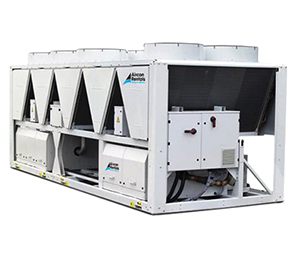
Chiller Hire
Temporary chillers for chilled-water and glycol systems, production-area cooling, planned refrigeration maintenance and additional cooling capacity.

Refrigeration Hire
Temporary cool rooms, refrigerated containers and commercial refrigeration equipment for additional or replacement chilled and frozen storage.

Boiler Hire
Temporary boilers for cleaning, washdown, sanitation and process hot-water requirements during maintenance, breakdowns and equipment upgrades.
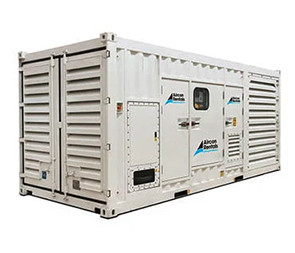
Generator Hire
Temporary generators and electrical distribution to support chillers, pumps, refrigeration systems, air handling equipment and other critical electrical loads.
Why Choose Aircon Rentals for Meat & Poultry Processing?

Nation-wide
24/7 support across Australia for refrigeration breakdowns, planned shutdowns, additional capacity and temporary power.

9,000+ Hire Products
Chillers, boilers, generators, pumps, heat exchangers, air handling units and temporary power gear available nationwide.

Equipment Prepared for Site
Equipment is inspected and tested before dispatch, with pumps, hoses, heat exchangers and power accessories available as required.

Technical Assessment Before Deployment
We assess temperature, load, glycol or chilled-water conditions, flow, power, connections and site access before recommending equipment.
Need Temporary Cooling, Refrigeration, Hot Water or Power?
Whether you’re planning maintenance, responding to an equipment breakdown, upgrading existing systems or managing increased production demand, Aircon Rentals can provide temporary cooling, refrigeration, hot water and power solutions to support your operations.
Our team can assess your requirements and recommend suitable equipment and supporting infrastructure for your meat or poultry processing facility.
Real-World Results: Meat & Poultry Cooling Hire
500 kW Temporary Chiller Maintains Cooling During Poultry Plant Maintenance

A poultry producer in rural Victoria required temporary cooling while its permanent chiller was isolated for scheduled maintenance.
Aircon Rentals supplied a 500 kW air-cooled chiller, chilled-water pump and temporary hoses. Due to restricted access, the chiller was craned over the building and positioned close to the existing cooling infrastructure.
The temporary system was connected, commissioned and operating before the permanent chiller was taken offline, maintaining cooling to temperature-critical areas and helping protect frozen stock throughout the maintenance period.
Read the Victorian Poultry Processing Case Study
What We Need to Assess Before Temporary Equipment is Selected
For meat and poultry processing facilities, selecting suitable temporary equipment starts with understanding the critical operational requirements, existing infrastructure and site conditions.
Critical Loads
Identify the processing and boning areas, cutting and packing rooms, carcass or primary chilling systems, chilled and frozen storage, air handling equipment, secondary cooling circuits and process hot-water requirements that need to remain operational.
Cooling-System Information
Key considerations include required operating temperatures, existing refrigeration or chiller capacity, chilled-water or glycol supply and return temperatures, fluid type and concentration, flow rates, operating pressures, pipe sizes, connection points, pump arrangements and potential plate heat exchanger requirements.
Where relevant, it is also important to identify which production areas or air handling units are served by each secondary cooling circuit.
Site & Electrical Requirements
Site considerations include available electrical supply, voltage and phase, electrical capacity, potential generator requirements, equipment positioning, hose and cable routes, lifting requirements, crane or forklift access, delivery restrictions, required start date and expected hire duration.
Where possible, these requirements should be assessed before permanent refrigeration equipment is isolated.
Prepare Before Critical Refrigeration Equipment is Unavailable
Planning ahead can help meat and poultry processing facilities reduce disruption when critical refrigeration, cooling or power equipment becomes unavailable.
Determine What Must Stay Operational
Identify the critical production areas, cooling systems and refrigerated storage requirements that need to remain operational during a breakdown or planned shutdown. This helps establish the temporary capacity required to support essential operations.
Document Secondary Cooling Circuits
Record chilled-water or glycol connection points, supply and return temperatures, flow rates, operating pressures, pipe sizes, pump arrangements and the production areas served by each circuit.
Having this information available can reduce assessment time when temporary cooling is required.
Confirm Supporting Equipment
Determine whether a temporary solution may require additional pumps, hoses, adapters, plate heat exchangers, electrical distribution, generators or air handling equipment.
Plan Equipment Access
Assess available equipment locations, delivery access, crane or forklift requirements, hose and cable routes, and any site restrictions that may affect installation.
Large temporary chillers may require specific lifting arrangements or positioning close to existing cooling infrastructure.
Explore Our HVAC, Refrigeration & Power Contingency Planning Solution
Frequently Asked Questions
What does supporting critical loads mean?
Temporary equipment does not always need to replace the facility’s full installed refrigeration capacity.
Critical-load planning identifies the processing areas, secondary cooling circuits, air handling systems, chilling requirements or refrigerated storage that must remain operational.
Temporary capacity can then be assessed around those loads rather than automatically matching the entire permanent plant.
When might a meat or poultry processor need temporary cooling?
Temporary cooling may be required during planned refrigeration maintenance, breakdowns, plant upgrades, equipment replacement, seasonal production increases or periods where permanent cooling capacity is insufficient.
Temporary equipment may support selected critical loads or provide additional capacity alongside permanent plant.
Can temporary chillers connect to existing chilled-water or glycol systems?
In many applications, yes.
Temporary chillers may connect to suitable secondary chilled-water or glycol circuits using pumps, hoses and, where required, plate heat exchangers.
The existing system should first be assessed for fluid conditions, temperature, flow, pressure, connections and available electrical supply.
Where glycol is used near food-production areas, fluid compatibility and site hygiene requirements should also be confirmed.
When would a plate heat exchanger be used?
A plate heat exchanger may be used where the temporary cooling circuit needs to remain separated from the facility’s existing secondary cooling system.
This can help where fluid conditions, operating pressures or hydraulic requirements differ between the two systems.
The appropriate connection arrangement depends on the existing plant.
Can a temporary chiller replace an ammonia refrigeration system?
Not directly.
Where the ammonia refrigeration plant supplies a secondary chilled-water or glycol circuit, a temporary chiller may be able to support selected loads connected to that secondary system.
The existing refrigeration configuration and critical loads need to be assessed before equipment is selected.
Can temporary cooling support carcass chilling?
Potentially, where the chilling process is supported through a secondary chilled-water or glycol system that can be connected to suitable temporary equipment.
Carcass chilling is a time- and temperature-critical process, so the existing system, required cooling duty, temperatures, flow and connection arrangement must be assessed before determining whether a temporary chiller is appropriate.
Other chilling arrangements may require a different temporary solution.
Can temporary cooling support a planned refrigeration shutdown?
Yes. Temporary equipment can be installed, connected, tested and commissioned before permanent plant is isolated.
This allows the temporary system to be proven operational before the planned shutdown begins.
What size temporary chiller does a meat or poultry facility need?
Capacity depends on the critical cooling loads that need to remain operational rather than the site’s total floor area or full installed refrigeration capacity.
Important factors include affected production areas, required operating temperatures, simultaneous cooling loads, existing chilled-water or glycol conditions, required flow, existing plant capacity and available electrical supply.
Aircon Rentals can assess these requirements before recommending equipment.
Do you provide temporary refrigerated storage?
Yes. Aircon Rentals provides temporary cool rooms and refrigerated containers for chilled and frozen storage requirements during breakdowns, maintenance, production peaks and facility upgrades.
The required storage conditions should be established before equipment is selected.
Can you provide temporary hot water for washdown and sanitation?
Yes. Temporary boiler systems can provide additional or replacement hot-water capacity while permanent heating equipment is serviced, repaired or replaced.
Required temperature, flow, connections and available site services need to be assessed first.
What equipment may be required in addition to a temporary chiller?
Depending on the existing system, the temporary installation may also require pumps, hoses, adapters, plate heat exchangers, air handling equipment, electrical distribution or generators.
The required configuration depends on the facility’s existing infrastructure and the critical loads being supported.